

Right now, five generations — the Silent Generation (also known as the Greatest Generation or Matures), Baby Boomers, Generation X, Millennials (Generation Y), and Generation Z — are actively engaged in charitable giving. Further, a significant wealth transfer—trillions of dollars—is underway from the Silent Generation to Baby Boomers and eventually to their heirs. Understanding the distinct motivations for giving across these generations and broader generational trends is crucial for organizations seeking to cultivate, retain, and inspire both new and existing donors.
We’ve compiled data from extensive research to provide key insights into generational philanthropy from which you can take immediate action. From our research, discover key data points, practical takeaways, and strategies that nonprofits today are using to effectively reach and engage donors from different generations.
Generation Z
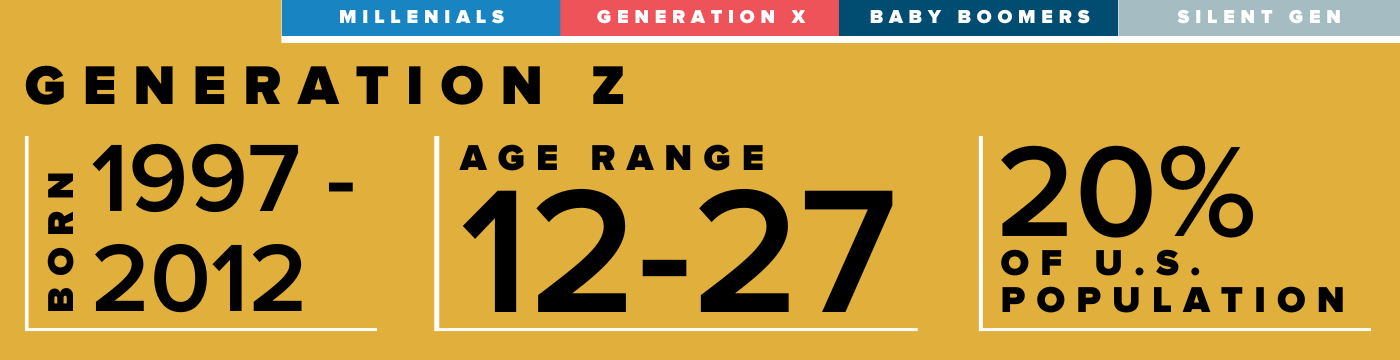
- 84% of Generation Z supported causes in some way, with over 30% intending to increase their donations (Blackbaud Institute).
- 59% were likely to donate after receiving an image or seeing a post on social media (GiveSmart).
- 48% are interested in understanding how their support made an impact, either through facts and figures or first-hand accounts (Blackbaud Institute).
Actionable Insights
Generation Z is a burgeoning philanthropic force. As 41 million turned 18 in 2024 alone, their impact will only grow (Korhonen, n.d.). Issue-focused rather than organization-focused (DAFgiving360), this tech-savvy generation is more likely to support causes with a strong social media presence and leading with social justice. Gen Z is moved by activism and a profound desire to be a part of something bigger than themselves. (Fundraising Report Card) Their preferred channels of engagement include TikTok, Instagram, YouTube, and mobile apps. (Donor Dock).
According to Kelly Fleming, International Institute of New England’s (IINE) Senior Director of Giving and Engagement, IINE is working to capture this audience through social media advertising, focusing on values and using language that demonstrates the impact of giving. As Gen Z is heavily influenced by their peers and motivated by gamification to build community (Kurve), IINE has also found success by creating opportunities for younger generations to participate in peer-to-peer fundraising events, such as their 50-mile bike ride, Ride for Refugees and Immigrants, which surpassed fundraising expectations this year.
Millennials/Generation Y
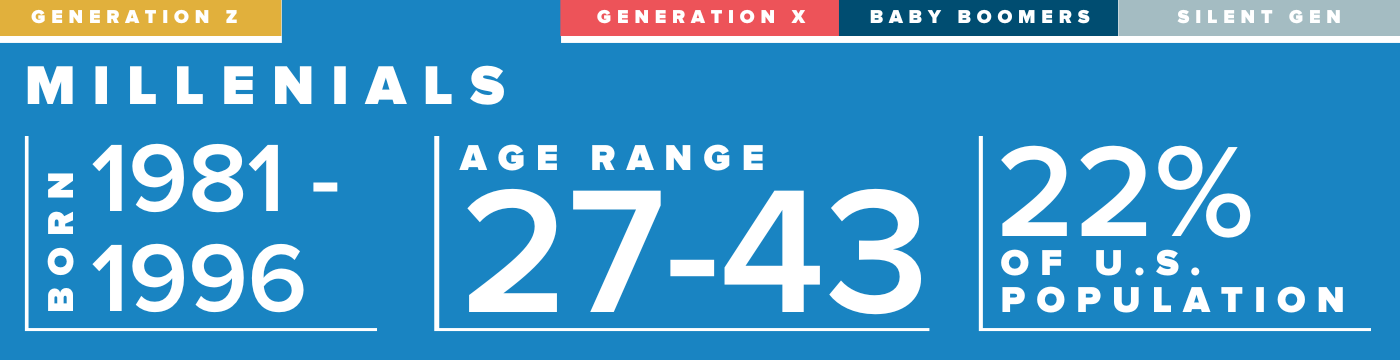
- 87% of Millennials donate to charity (Foundation Source).
- 40% are enrolled in a monthly giving program (Nonprofit Source).
Actionable Insights
Millennials, the largest generation by population, have seen their annual giving surge since 2016. Unlike previous generations, Millennials are more likely to support a cause over a specific organization. Their preferred channels of engagement include social media, text-to-give, and peer-to-peer platforms. (Donor Dock) According to Lori Smith Britton, Chief Development Counsel at Epiphany School, their fundraising team leverages peer-to-peer fundraising by engaging their teaching fellows, faculty, and young alumni to activate their networks. As community and authenticity are important to Millennials (Donor Dock), Epiphany School has also found success by creating opportunities for Millennials to engage directly in the work of Epiphany School. One such event is the annual Career Day, where young professionals (including alumni) are invited to speak to students about their career journeys.
Generation X
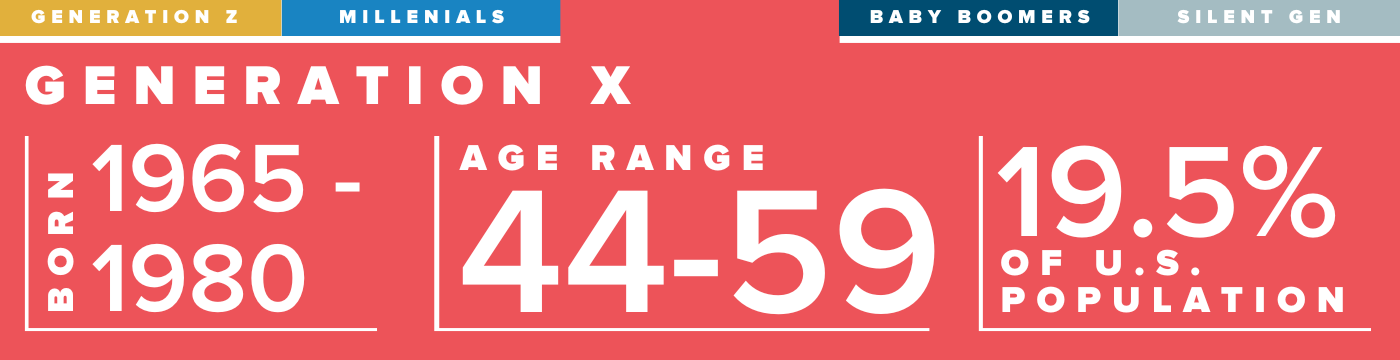
- 64% of Gen X-ers volunteer locally.*
- 56% attend fundraising events.*
- 31% of donations from Gen X were prompted by email.*
Actionable Insights
Generation X, while smaller in size than Millennials, remains a significant demographic for nonprofits. Gen X-ers take advantage of opportunities to volunteer, demonstrating their strong preference for a personal relationship with the organizations they support. (Fidelity Charitable) While they might not be digital natives, they respond well to text or voice call campaigns and are also likely to donate to a charity after seeing a post on social media (Nonprofit Source, n.d.). Email communications that are concise and clearly demonstrate efficiency and outcomes are also ways to engage Generation X. (Donor Dock)
Baby Boomers
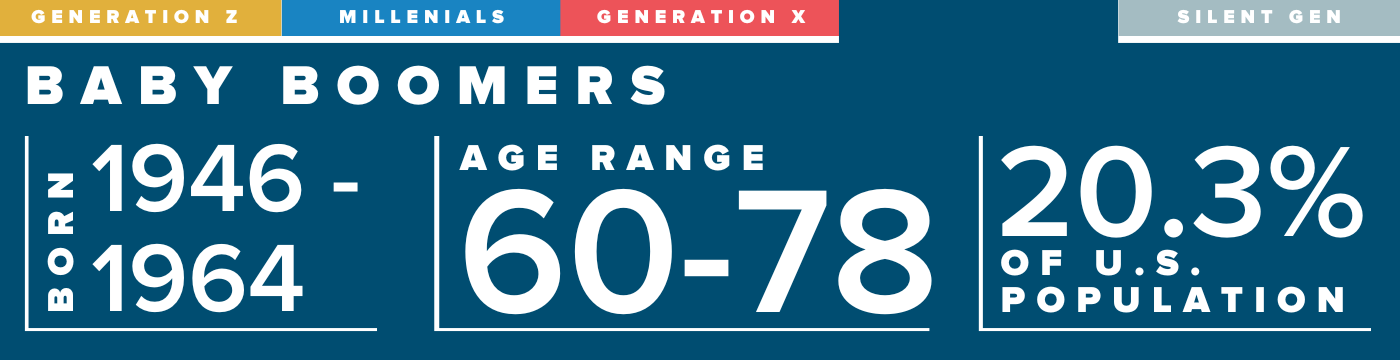
- 72% give to charity, donating an average of $1,212 annually, which accounts for 43% of total giving in the U.S..*
- 71% volunteer locally.*
- 58% attend fundraising events.*
Actionable Insights
Baby Boomers remain a cornerstone of charitable giving in the United States. They demonstrate a strong commitment to their local communities through volunteering and participation in fundraising events. Baby Boomers are loyal, and legacy and a sense of obligation tend to be urgent at this point in their lives (source 7, 11). Our client, Epiphany School, has found that their large Baby Boomer network is highly responsive to matching gift digital campaigns. Further, personalized engagement around planned gifts and estate planning is recommended with Baby Boomers. (Donor Dock)
Silent Generation
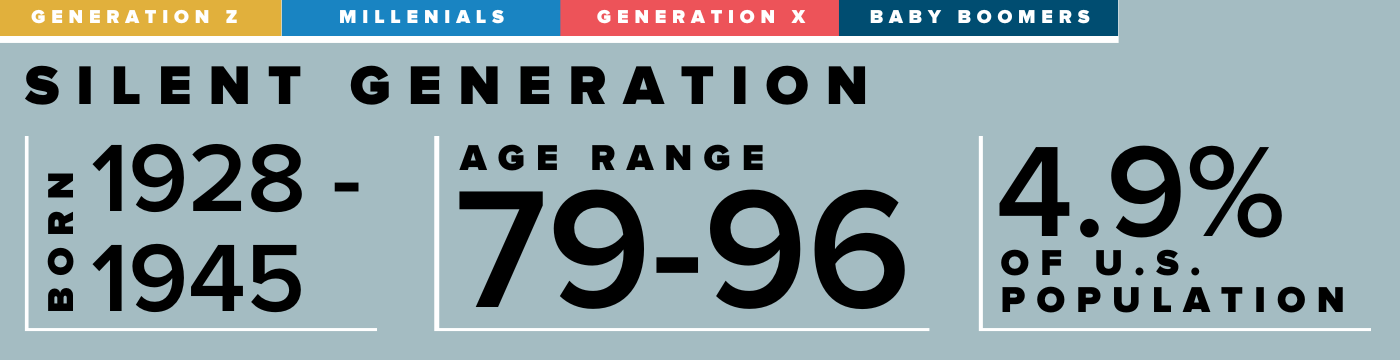
- 88% give to charity.*
- They represent 11.8% of the U.S. population and account for 26% of total giving.*
- They donate an annual average of $1,367 across an average of 6.2 organizations.*
Actionable Insights
As many in the Silent Generation enjoy their retirement years, they are still actively involved in philanthropy. Silent Generation donors value personal connections (such as a handwritten thank you note) and traditional forms of communication; the best ways to communicate with them are direct mail, in-person meetings, and voice calls (Nonprofit Source, n.d., Donor Dock). As with Baby Boomers, one of the primary ways the Silent Generation contributes is through bequests and legacy giving. Our client, IINE, sends targeted messaging to both Baby Boomer and Silent Generation donors around planned giving opportunities.
What’s Next?
As the landscape of philanthropy evolves, understanding and engaging donors across generations is essential for nonprofit success. Each generation presents unique opportunities for meaningful connection, from Gen Z’s social media engagement to the Silent Generation’s legacy giving. By leveraging these insights, your organization can enhance donor engagement and drive impactful fundraising outcomes.
Contact us today to discuss how we can help you tailor your approach and build stronger relationships with your donors.